


Even though there are seemingly miraculous treatments for asthma symptoms, asthma is still a serious — even dangerous — disease that affects about 10% of total Indian people. With proper asthma treatment, you can live well with this condition. Inadequate treatment of the disease limits the ability to exercise and be active.
There are three major features of asthma:
1. Airway obstruction. During normal breathing, the bands of muscle that surround the airways are relaxed, and air moves freely. But in people with asthma, allergy-causing substances, colds and respiratory viruses, and environmental triggers make the bands of muscle surrounding the airways tighten, and air cannot move freely. Less air causes a person to feel short of breath, and the air moving out through the tightened airways causes a whistling sound known as wheezing.
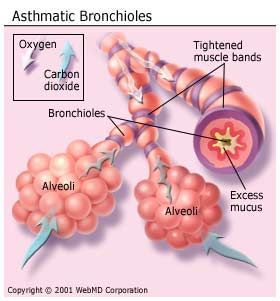
2. Inflammation. People with asthma have red and swollen bronchial tubes. This inflammation is thought to contribute greatly to the long-term damage that asthma can cause to the lungs. And, therefore, treating this inflammation is key to managing asthma in the long run.
3. Airway irritability. The airways of people with asthma are extremely sensitive. The airways tend to overreact and narrow due to even the slightest triggers such as pollen, animal dander, dust, or fumes.
Adult-Onset Asthma
Asthma may occur at any age, although it’s more common in people under age 40. People who have a family history of asthma have an increased risk of developing the disease. Allergies and asthma often occur together, along with eczema. Smoking with asthma, a dangerous combination, is still seen commonly.

However, anyone can develop asthma at any time, and adult-onset asthma happens frequently. If you have symptoms of asthma, talk to your doctor. If you have adult-onset asthma, your doctor will instruct you in using the asthma inhalers and other asthma medications to prevent further breathing problems. Your doctor will guide you on which medications are for prevention and which medications are meant to “rescue” you if you experience difficulty breathing.
Asthma in Children
Asthma is increasingly prevalent among children. Asthma symptoms can vary from episode to episode in the same child. Signs and symptoms of asthma to look for include:
- Frequent coughing spells, which may occur during play, at nighttime, or while laughing. It’s important to know that coughing with asthma may be the only symptom present.
- Less energy during play, or pausing to catch breath during play
- Rapid or shallow breathing
- Complaint of chest tightness or chest “hurting”
- Whistling sound when breathing in or out. This whistling sound is called wheezing.
- Seesaw motions in the chest from labored breathing. These motions are called retractions.
- Shortness of breath, loss of breath
- Tightened neck and chest muscles
- Feelings of weakness or tiredness
Asthma Causes and Triggers
- Infections such as sinusitis, colds, and flu
- Allergens such as pollens, mold spores, pet dander, and dust mites
- Irritants such as strong odors from perfumes or cleaning solutions, and air pollution
- Tobacco smoke
- Exercise (known as exercise-induced asthma)
- Weather; changes in temperature and/or humidity, cold air
- Strong emotions such as anxiety, laughter or crying, stress
- Medications, such as aspirin-sensitive asthma